Scientists use advanced microscopy and machine learning to study microplastic pollution, revealing the truth behind common myths
The internet is drowning in microplastic misinformation, and these dangerous myths are literally killing our oceans. While you’ve been believing these lies, marine ecosystems have been collapsing under the weight of plastic pollution that could have been prevented. The shocking truth? Five deadly myths about microplastics have been spreading faster than the pollution itself, and it’s time to expose them with cold, hard science.
The Deadly Cost of Microplastic Myths
Microplastic myths aren’t just harmless misconceptions—they’re environmental weapons of mass destruction. Every day these false beliefs persist, millions more plastic particles enter our oceans, contaminate our seafood, and poison marine life. The misinformation crisis surrounding microplastics facts vs fiction has reached a breaking point where myths are literally preventing the urgent action needed to save our oceans.
Recent research reveals that marine microplastic pollution and misinformation in the public sphere is creating a perfect storm of environmental destruction [1]. When people believe false information about microplastics, they make choices that accelerate ocean contamination rather than prevent it. The result? A planet where microplastics are everywhere, and most people don’t even understand the real threats they face.
Myth #1: “Microplastics Only Come from Large Plastic Debris Breaking Down”
The Deadly Lie
One of the most dangerous myths circulating is that microplastics only form when larger plastic items like bottles and bags break down in the ocean. This misconception has led millions of people to focus solely on visible plastic pollution while ignoring the primary sources of microplastic contamination.
The Scientific Truth
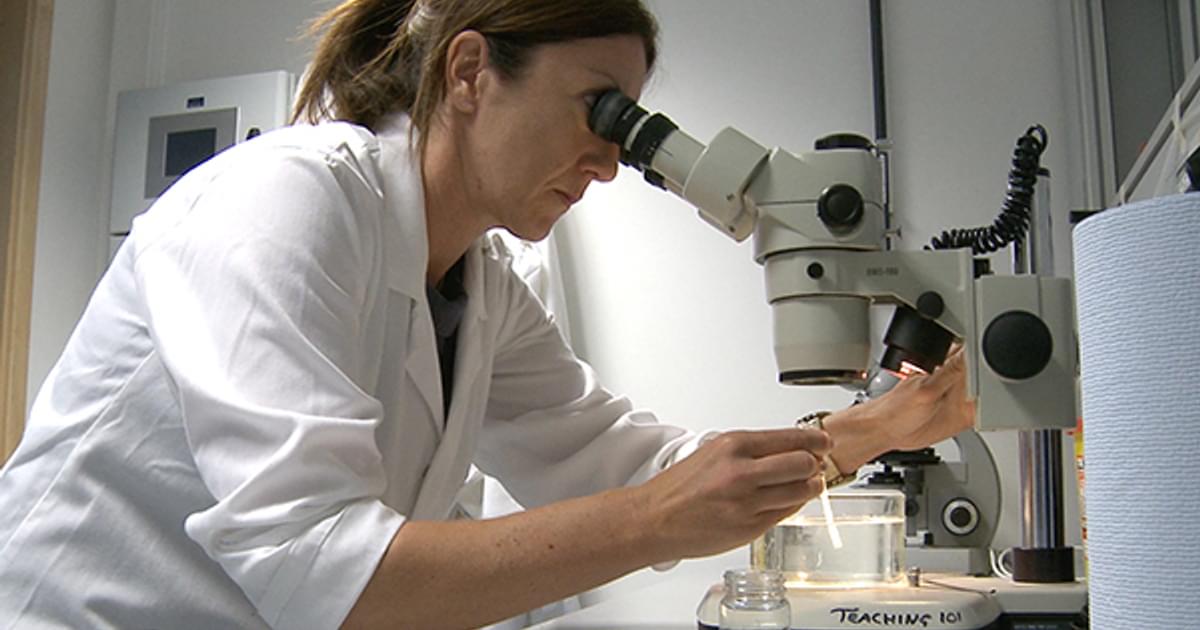
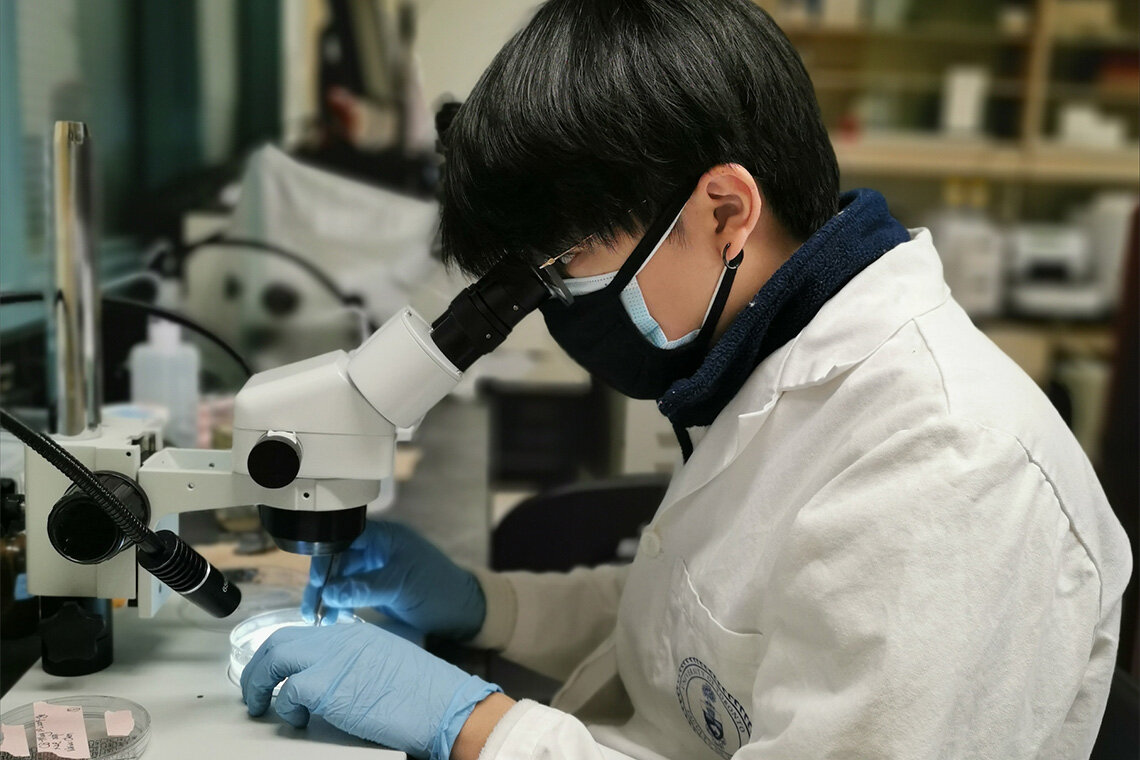 Researchers analyze microplastic samples in laboratories, revealing that most microplastics come from unexpected primary sources
The reality is far more terrifying. Primary microplastics—particles that enter the environment already in microscopic form—account for 15-31% of all microplastic pollution in our oceans [2]. These invisible killers come from sources most people never suspect:
Synthetic clothing is the largest single source of microplastic pollution. Every time you wash synthetic fabrics, hundreds of thousands of microfibers are released into wastewater systems. Most treatment plants cannot filter these tiny particles, so they flow directly into rivers and oceans. A single load of laundry can release over 700,000 microfibers into the environment.
Car tire wear creates massive amounts of microplastic particles that wash into storm drains and waterways. As vehicles drive, tiny rubber and plastic particles are constantly abraded from tires and scattered across roads. Rain washes these particles into the ocean, where they become part of the microplastic soup poisoning marine life.
Cosmetics and personal care products still contain microbeads and microplastics despite industry claims of elimination. Many products marketed as “natural” or “eco-friendly” still contain synthetic polymers that qualify as microplastics.
This myth is killing our oceans because it directs attention away from the largest sources of contamination. While people focus on picking up plastic bottles, billions of microplastic particles continue pouring into the ocean from washing machines, car tires, and bathroom sinks.
Myth #2: “Microplastics Are Too Small to Harm Marine Animals”
The Deadly Lie
Perhaps the most lethal myth is the belief that microplastics are harmless to marine life because they’re “too small to matter.” This dangerous misconception has led to complacency about microplastic pollution and delayed critical protective measures for marine ecosystems.
The Scientific Truth
The microscopic size of microplastics makes them exponentially more dangerous, not less. Microplastics affecting fish and other marine animals occurs through multiple devastating pathways that larger plastic debris cannot access.
Cellular infiltration is the most terrifying aspect of microplastic pollution. These particles are small enough to cross cellular membranes and enter the bloodstream, organs, and even brain tissue of marine animals. Once inside, they cause inflammation, disrupt cellular function, and interfere with vital biological processes.
Bioaccumulation through the food chain concentrates microplastics and their toxic chemicals as they move from plankton to small fish to larger predators. Each step up the food chain multiplies the concentration of plastic particles and associated toxins. Top predators like tuna, sharks, and marine mammals carry the highest concentrations of microplastics and toxic chemicals.
Reproductive system damage from microplastics is causing population crashes in marine species. Studies show that microplastics interfere with hormone production, reduce fertility, and cause developmental abnormalities in fish, shellfish, and marine mammals. Some species are experiencing reproductive failure rates that threaten their survival.
The size advantage of microplastics allows them to penetrate biological barriers that larger plastics cannot cross, making them far more dangerous to marine life than visible plastic pollution.
Myth #3: “Ocean Cleanup Technology Will Solve the Microplastic Problem”
The Deadly Lie
A widespread and dangerous myth suggests that emerging ocean cleanup technologies will eventually remove microplastics from the sea, so we don’t need to worry about prevention. This false hope has led to continued plastic production and consumption under the assumption that technology will clean up the mess later.
The Scientific Truth
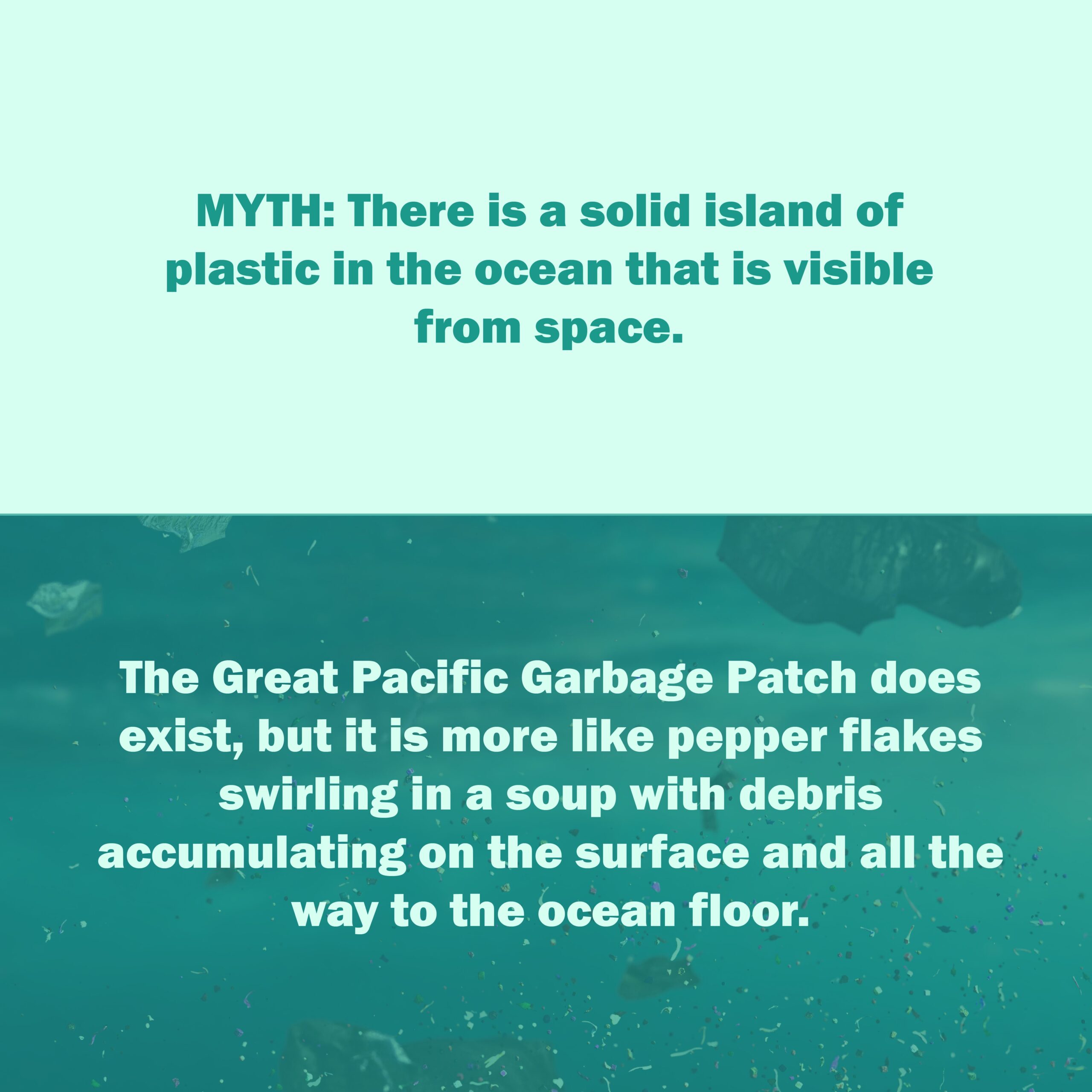 Scientific infographics reveal the truth about plastic pollution myths, including the limitations of cleanup technology
The harsh reality is that microplastics are virtually impossible to remove from ocean water once they’re dispersed. Current and proposed cleanup technologies face insurmountable challenges when dealing with microscopic plastic particles:
Scale impossibility makes microplastic removal technically unfeasible. Microplastics are distributed throughout the entire water column, from surface waters to deep ocean sediments. The volume of water that would need to be processed to make a meaningful impact is beyond the capacity of any conceivable technology.
Marine life destruction would result from any attempt to filter microplastics from ocean water. The same nets and filters that capture plastic particles would also remove essential marine organisms like plankton, fish larvae, and other microscopic life forms that form the foundation of ocean food webs.
Energy requirements for ocean-scale microplastic removal would be astronomical and environmentally destructive. The carbon footprint of powering such operations would likely exceed the environmental benefits of plastic removal.
Cost prohibitive economics make microplastic cleanup financially impossible. Conservative estimates suggest that removing even a fraction of ocean microplastics would cost trillions of dollars and require decades of continuous operation.
This myth is particularly dangerous because it encourages continued plastic pollution under the false assumption that cleanup will eventually solve the problem. The truth is that prevention is the only viable solution to microplastic contamination.
Myth #4: “Microplastics in Seafood Are Safe Because They’re Natural”
The Deadly Lie
One of the most dangerous myths circulating is that microplastics in fish and other seafood are somehow “natural” or safe for human consumption. This misconception has led people to continue eating contaminated seafood without understanding the serious health risks they face.
The Scientific Truth
Microplastics in humans are now documented in blood, lungs, placenta, and brain tissue, with seafood consumption being a major exposure pathway [3]. The particles themselves are bad enough, but the toxic chemicals they carry make them exponentially more dangerous.
Chemical absorption makes microplastics into tiny poison pills. These particles act like sponges, absorbing harmful chemicals from seawater including heavy metals, persistent organic pollutants (POPs), and endocrine-disrupting compounds. When marine animals ingest microplastics, these concentrated toxins are released directly into their tissues.
Bioaccumulation in seafood means that every piece of fish, shellfish, or other marine protein you consume likely contains microplastics and their associated toxins. Studies have found microplastics in all major commercial seafood species, with concentrations increasing year over year.
Human health impacts from microplastic consumption are becoming increasingly clear. Research links microplastic exposure to inflammation, immune system disruption, hormonal imbalances, and potential cancer risk. The long-term effects of chronic microplastic consumption are still unknown, but early indicators are alarming.
Pregnancy and development risks are particularly concerning. Microplastics have been found in placental tissue and may interfere with fetal development. Pregnant women who consume contaminated seafood may be exposing their unborn children to plastic particles and toxic chemicals during critical developmental stages.
This myth is killing people by encouraging continued consumption of contaminated seafood without proper awareness of the risks involved.
Myth #5: “Individual Actions Don’t Matter in Fighting Microplastic Pollution”
The Deadly Lie
The most insidious myth of all is the belief that individual actions cannot make a meaningful difference in addressing microplastic pollution. This defeatist attitude has led millions of people to continue behaviors that contribute to ocean contamination while waiting for governments and corporations to solve the problem.
The Scientific Truth
Individual actions are not only important—they’re absolutely critical for preventing microplastic pollution. Unlike many environmental problems that require large-scale technological solutions, microplastic contamination is directly linked to personal choices and behaviors that individuals can change immediately.
Synthetic clothing choices represent one of the most powerful individual actions against microplastic pollution. Choosing natural fibers like cotton, wool, and linen over synthetic materials can dramatically reduce microfiber pollution. When synthetic clothing is necessary, using microfiber-catching devices in washing machines can capture particles before they enter wastewater systems.
Transportation decisions significantly impact microplastic pollution through tire wear. Reducing car travel, maintaining proper tire pressure, and choosing vehicles with lower-emission tires can substantially decrease microplastic generation from transportation.
Consumer product choices allow individuals to avoid microplastic-containing cosmetics, personal care products, and household items. Reading ingredient labels and choosing products without synthetic polymers directly reduces microplastic pollution.
Seafood consumption patterns can be modified to reduce exposure to microplastic contamination. Choosing smaller fish lower on the food chain, supporting sustainable fishing practices, and diversifying protein sources can minimize microplastic intake while reducing demand for contaminated seafood.
Advocacy and education multiply individual impact exponentially. When people share accurate information about microplastic pollution and advocate for policy changes, their individual actions influence entire communities and political systems.
The cumulative effect of millions of individuals making informed choices creates the market pressure and political will necessary for systemic change. Individual actions don’t just matter—they’re the foundation of all meaningful environmental progress.
The Real Science Behind Microplastic Pollution
The scientific consensus on microplastic pollution is clear and terrifying. Microplastics are now found in every marine environment on Earth, from Arctic ice to deep ocean trenches. Concentrations are increasing exponentially, with some areas showing doubling times of just a few years.
Marine ecosystem collapse is already beginning in heavily contaminated areas. Plankton populations are declining, fish reproductive rates are dropping, and entire food webs are becoming unstable under the pressure of microplastic contamination.
Human health impacts are becoming increasingly documented and alarming. Studies show microplastics in human blood, organs, and tissues, with concentrations correlating to seafood consumption and proximity to contaminated water sources.
Tipping point scenarios suggest that continued microplastic pollution could trigger irreversible changes in ocean chemistry and marine ecosystems. Once certain thresholds are crossed, the damage may be permanent regardless of future prevention efforts.
What You Must Do Right Now
The time for half-measures and wishful thinking is over. Microplastic pollution has reached crisis levels that threaten the collapse of marine ecosystems and human health. Every day of delay makes the problem exponentially worse and the solutions more difficult.
Immediate personal actions you can take include switching to natural fiber clothing, using microfiber-catching devices, choosing microplastic-free personal care products, reducing car travel, and modifying seafood consumption patterns.
Support research and advocacy efforts that are working to address microplastic pollution through science-based solutions. Organizations like ToxicSeafood.org are conducting critical research and advocacy work that needs immediate support to accelerate progress.
Demand policy changes from elected officials at all levels of government. Microplastic pollution requires regulatory solutions including restrictions on microplastic-containing products, improved wastewater treatment, and extended producer responsibility for plastic pollution.
Spread accurate information to counter the dangerous myths that are preventing effective action on microplastic pollution. Share science-based facts with friends, family, and social networks to build the awareness necessary for systemic change.
The Choice Is Yours: Action or Collapse
The five deadly myths about microplastic pollution have been exposed by science, and the truth is more urgent than anyone imagined. Microplastics are everywhere, they’re getting worse every day, and they’re threatening the collapse of marine ecosystems that billions of people depend on for survival.
You now have the scientific facts needed to make informed decisions about microplastic pollution. The question is whether you’ll act on this knowledge or continue believing the comfortable lies that are literally killing our oceans.
The choice is yours, but time is running out. Every day of inaction allows more microplastic pollution to enter the ocean, contaminate more seafood, and threaten more marine life. The myths have been debunked—now it’s time for action.
Support critical microplastic research and ocean cleanup efforts by contributing to organizations working on science-based solutions. Your support can help accelerate the research and advocacy needed to address this crisis before it’s too late.
Support Microplastic Research and Ocean Protection
The myths are dead. The science is clear. The choice is yours.
For more science-based information about microplastic pollution and ocean health, visit ToxicSeafood.org. Support critical research and advocacy efforts by contributing to our GoFundMe campaign./p>
References
[1] Agnew, S., Kopke, K., Power, O.P., Dozier, A., Fitzgerald, E. “Marine microplastic pollution & misinformation in the public sphere: a systematic review.” Discover Oceans, 2024. https://link.springer.com/article/10.1007/s44289-024-00033-6
[2] The Conversation. “Myths about plastic pollution are leading to public confusion: here’s why.” November 20, 2023. https://theconversation.com/myths-about-plastic-pollution-are-leading-to-public-confusion-heres-why-216854
[3] Phantom Plastics. “Microplastics in Human Blood.” https://phantomplastics.com/microplastics-in-human-blood/
[4] Microplastic Free. “Debunking Common Myths About Microplastics: Facts vs. Fiction.” May 10, 2023. https://microplasticfree.org/blogs/news/debunking-common-myths-about-microplastics-facts-vs-fiction
[5] Beat the Microbead. “Microplastics: The Plastics Industry’s False Verdict.” November 22, 2018. https://www.beatthemicrobead.org/microplastics-the-plastics-industrys-false-verdict/
[6] Stanford News. “What’s the deal with microplastics, the material that ‘never goes away’?” January 29, 2025. https://news.stanford.edu/stories/2025/01/what-s-the-deal-with-microplastics-the-material-that-never-goes-away
One thought on “5 Microplastic Myths That Are Literally Killing Our Oceans (Debunked by Science)”
Hi, this is a comment.
To get started with moderating, editing, and deleting comments, please visit the Comments screen in the dashboard.
Commenter avatars come from Gravatar.