

Help Support the Saving of Irene’s Way.
She is anxious the begin saving lives, but she is stuck in Mexico. in need of another $28,000 before she can do her work.
Take Action !
Blog categories
Featured



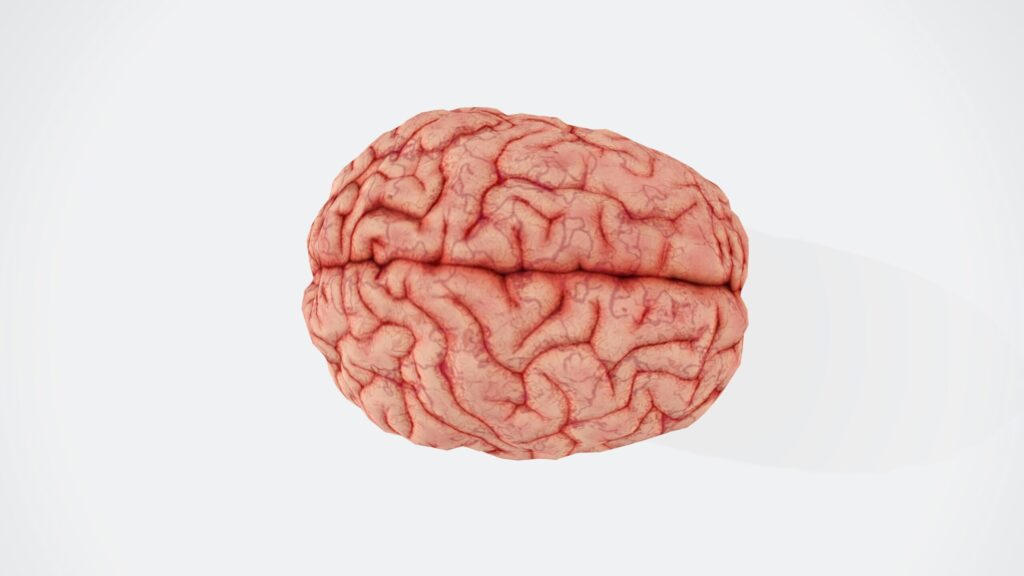






Microplastics accumulating in human brain tissue
Published by Bob Faulis for ToxicSeafood.org
The most terrifying environmental threat of our time isn’t coming for you‚Äîit’s already inside you. Microplastics in humans have been discovered in blood, brain tissue, lungs, placenta, and every major organ system. While you’ve been worrying about visible plastic pollution, an invisible army of microscopic killers has been infiltrating your body through the seafood you eat, the water you drink, and the air you breathe. The shocking truth? Microplastics inside humans are now so widespread that finding a person without plastic contamination is virtually impossible.
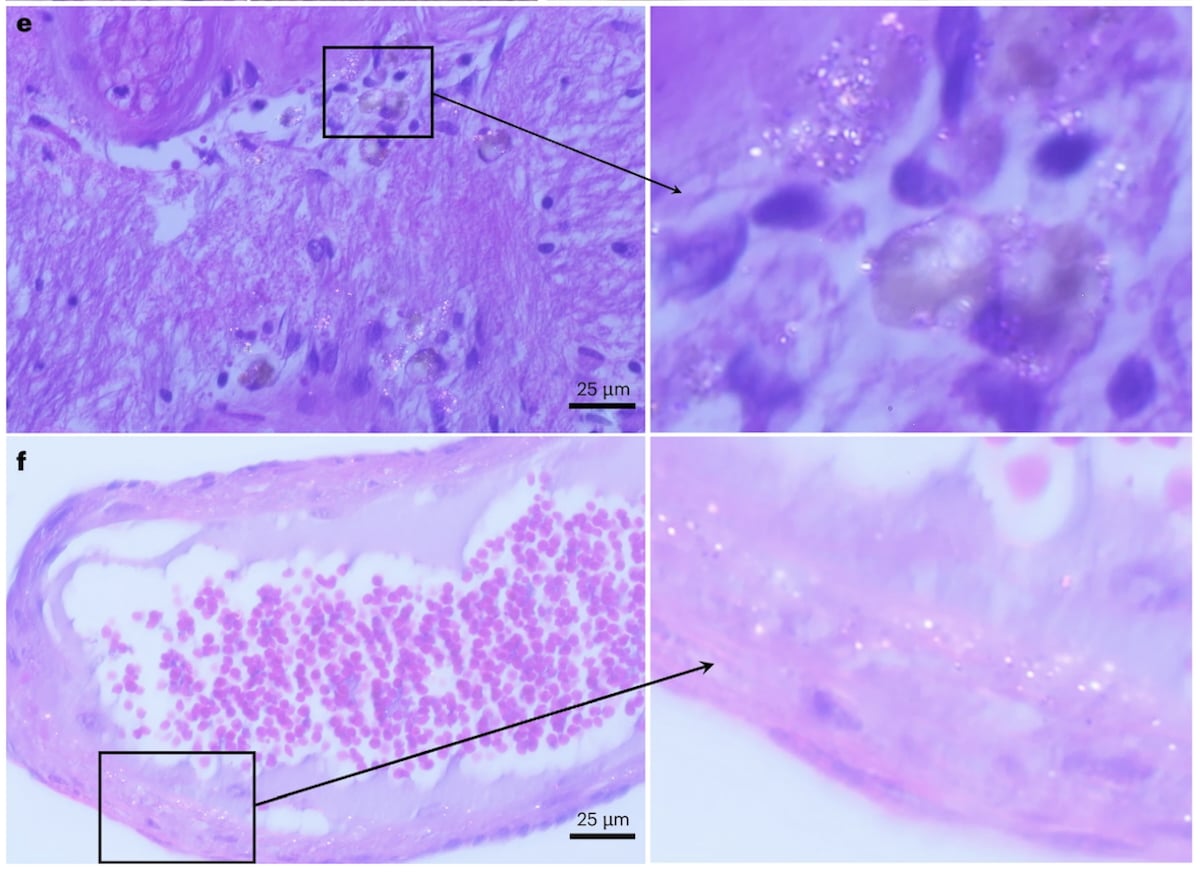 Shocking new research reveals microplastics are accumulating in human brain tissue at alarming rates
The Silent Invasion: How Microplastics Entered Your Body
Microplastics are not just an ocean problem‚Äîthey’re a human health crisis that’s been hiding in plain sight. These microscopic plastic particles, smaller than 5 millimeters, have become so pervasive in our environment that they’re now considered a permanent part of the human body. Recent groundbreaking research has shattered the illusion that our bodies can protect us from plastic pollution.
The invasion began decades ago, but scientists have only recently developed the technology to detect these microscopic invaders. What are microplastics doing inside your body? They’re accumulating in critical organs, disrupting cellular function, and potentially triggering a cascade of health problems that could affect generations to come.
Microplastics found in the human brain represent perhaps the most alarming discovery in environmental health research [1]. In 2024, researchers at the University of New Mexico found microplastic concentrations in human brain tissue that were 10-20 times higher than previously detected in other organs. These particles have breached the blood-brain barrier‚Äîyour body’s most sophisticated defense system‚Äîand are now accumulating in the tissue that controls every aspect of your existence.
How Microplastics Infiltrate Your Body Every Day
 Scientific diagram reveals the devastating impact of microplastics on every major organ system in the human body
The pathways through which microplastics enter your body are as numerous as they are unavoidable. Every meal, every breath, every sip of water potentially introduces more plastic particles into your system. The contamination is so widespread that avoiding exposure has become virtually impossible in modern life.
Seafood consumption represents the most significant source of microplastic exposure for most people. Microplastics in fish are now found in 100% of commercial seafood species tested by researchers. When you eat contaminated fish, shellfish, or other marine proteins, you’re consuming not just the plastic particles themselves, but also the toxic chemicals they’ve absorbed from ocean water.
Drinking water contamination affects both bottled and tap water supplies worldwide. Studies have found microplastics in 83% of tap water samples and 93% of bottled water brands tested. Even water that appears crystal clear can contain thousands of microscopic plastic particles per liter.
Airborne microplastics enter your lungs with every breath you take. These particles come from synthetic clothing fibers, car tire wear, and the breakdown of plastic waste. Urban areas show particularly high concentrations of airborne microplastics, with some cities recording levels that pose serious respiratory health risks.
Food packaging and processing introduce microplastics directly into the food supply. Plastic containers, wrapping, and processing equipment constantly shed microscopic particles that contaminate food products. Even foods marketed as “natural” or “organic” can contain significant microplastic contamination from packaging and processing.
The Terrifying Truth About Microplastics in Your Brain
The discovery of microplastics in brain tissue represents a watershed moment in understanding the true scope of plastic pollution’s impact on human health. Your brain, protected by the most sophisticated biological barrier system known to science, has been breached by plastic particles that are now accumulating in neural tissue.
Blood-brain barrier penetration was once thought to be impossible for particles the size of microplastics. This protective barrier prevents most foreign substances from entering brain tissue, but recent research shows that microplastics can cross this barrier and accumulate in brain cells [2]. Once inside, these particles appear to remain permanently, as the brain has no mechanism for removing plastic contamination.
Neurological implications of brain microplastic contamination are still being studied, but early research suggests alarming possibilities. Microplastics in brain tissue may contribute to inflammation, oxidative stress, and cellular damage that could lead to neurodegenerative diseases, cognitive decline, and behavioral changes.
Concentration increases in brain tissue show a disturbing trend. Research comparing brain samples from different time periods reveals that microplastic concentrations have increased dramatically over the past two decades. People who died more recently show significantly higher brain microplastic levels than those who died earlier, suggesting that contamination is accelerating.
Particle accumulation patterns in the brain show that microplastics tend to concentrate in specific regions, including areas responsible for memory, emotion, and motor function. The long-term consequences of this targeted accumulation are unknown, but the potential for serious neurological impacts is deeply concerning.
Your Blood Is Now Part Plastic
Microplastics discovered in human blood have fundamentally changed our understanding of plastic pollution’s impact on human health [3]. Your circulatory system, which carries oxygen and nutrients to every cell in your body, is now also transporting plastic particles throughout your entire organism.
Systemic circulation means that microplastics in your bloodstream can reach any organ or tissue in your body. These particles travel through your cardiovascular system like microscopic hitchhikers, potentially causing damage wherever they lodge. The implications for long-term health are staggering and largely unknown.
Cardiovascular risks associated with microplastic contamination are becoming increasingly clear. Research published in 2024 found that people with microplastics in their arterial plaques had a 4.5-fold greater risk of stroke, heart attack, or death from cardiovascular causes [4]. The plastic particles appear to contribute to inflammation and plaque instability that can trigger life-threatening cardiovascular events.
Immune system disruption occurs when your body’s defense mechanisms encounter microplastic particles. Your immune system recognizes these foreign particles as threats and mounts an inflammatory response. However, because the particles cannot be broken down or eliminated, this inflammatory response becomes chronic, potentially leading to autoimmune disorders and immune system exhaustion.
The Reproductive Health Crisis You Haven’t Heard About
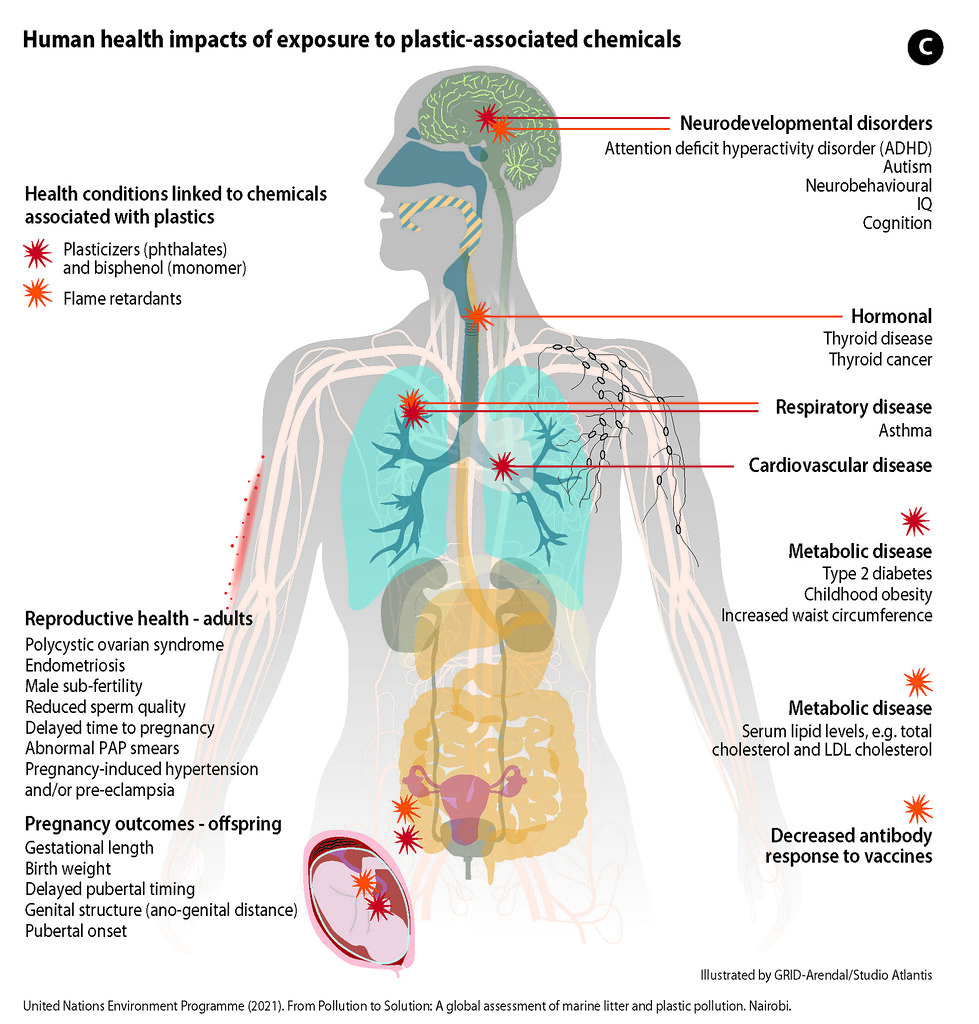 Comprehensive illustration showing how microplastics enter the human body through multiple exposure pathways
Microplastics in testicles and other reproductive organs represent one of the most alarming discoveries in recent microplastic research [5]. These particles are now found in human reproductive tissue at concentrations that may be affecting fertility and reproductive health on a population level.
Fertility impacts from microplastic exposure are becoming increasingly documented. Studies show correlations between microplastic exposure and decreased sperm quality, reduced fertility rates, and reproductive hormone disruption. The chemicals associated with microplastics, including endocrine disruptors and toxic additives, may be contributing to the global decline in human fertility rates.
Pregnancy complications linked to microplastic exposure include increased risk of pregnancy complications, developmental abnormalities, and adverse birth outcomes. Microplastics have been found in placental tissue, meaning that developing babies are exposed to plastic contamination before birth. The long-term consequences for child development and health are unknown but potentially catastrophic.
Generational effects of microplastic exposure may extend beyond individual health impacts. Some research suggests that microplastic exposure could cause epigenetic changes that affect gene expression in future generations. This means that the plastic pollution crisis could have health consequences that persist for decades or centuries.
The Chemical Time Bombs Inside Microplastics
The plastic particles themselves are dangerous enough, but microplastics also act as delivery systems for toxic chemicals that pose additional health risks. These particles absorb harmful substances from the environment and concentrate them in your body tissues.
Toxic chemical absorption makes microplastics into microscopic poison pills. These particles act like sponges, absorbing heavy metals, persistent organic pollutants (POPs), endocrine-disrupting chemicals, and other toxic substances from seawater and the environment. When you ingest microplastics, these concentrated toxins are released directly into your body.
Endocrine disruption from microplastic-associated chemicals can interfere with hormone production and regulation throughout your body. These chemicals can mimic or block natural hormones, leading to reproductive problems, metabolic disorders, and developmental abnormalities. The effects may be particularly severe during critical developmental periods like pregnancy and childhood.
Cancer-causing compounds associated with microplastics include known carcinogens and suspected cancer-causing chemicals. While direct causal links between microplastic exposure and cancer are still being studied, the presence of carcinogenic chemicals in microplastic particles raises serious concerns about long-term cancer risk.
The Accelerating Crisis: Why It’s Getting Worse
Microplastics everywhere are becoming more concentrated and more dangerous as plastic production continues to increase and existing plastic waste breaks down into smaller particles. The problem is accelerating exponentially, with microplastic concentrations in the environment and human bodies doubling every few years in some regions.
Ocean contamination continues to worsen as millions of tons of new plastic enter marine environments annually. This plastic eventually breaks down into microplastics that contaminate the seafood supply and enter the human food chain. The ocean has become a massive microplastic production facility that operates 24 hours a day, 365 days a year.
Bioaccumulation effects mean that microplastic concentrations increase as they move up the food chain. Top predators like tuna, salmon, and other large fish that humans commonly consume carry the highest concentrations of microplastics and associated toxins. Every time you eat these contaminated fish, you’re adding to your body’s plastic burden.
Cumulative exposure throughout your lifetime means that microplastic concentrations in your body are likely to continue increasing as you age. Unlike many other contaminants that your body can process and eliminate, microplastics appear to accumulate permanently in tissues. This means that your plastic burden will only get worse over time unless dramatic changes are made to reduce environmental contamination.
What This Means for Your Health and Future
The presence of microplastics in humans represents an unprecedented experiment in human health. Never before in human history have our bodies been contaminated with synthetic materials at such widespread levels. The long-term consequences are unknown, but early indicators suggest serious health impacts that could affect entire populations.
Chronic inflammation caused by microplastic exposure may contribute to a wide range of health problems including cardiovascular disease, autoimmune disorders, and accelerated aging. The constant presence of foreign particles in your body triggers ongoing inflammatory responses that can damage tissues and organs over time.
Organ dysfunction may result from microplastic accumulation in critical organs like the liver, kidneys, and lungs. These organs are responsible for filtering toxins from your body, but they have no mechanism for processing plastic particles. As microplastics accumulate in these organs, their function may become impaired.
Unknown long-term effects represent perhaps the most frightening aspect of microplastic contamination. Because widespread human exposure to microplastics is a recent phenomenon, scientists don’t yet understand the full range of health impacts that may emerge over decades of exposure. We are all unwilling participants in a global health experiment with unknown outcomes.
URGENT ACTION NEEDED
The microplastic crisis threatens every person on Earth, but together we can fight back.
The research is clear: microplastics are already inside your body and the contamination is getting worse every day. But there’s hope. Organizations like ToxicSeafood.org are working around the clock to:
 Fund critical research into microplastic health impacts
Develop detection and removal technologies
Advocate for policy changes to reduce plastic pollution
Educate the public about this hidden health crisis
Your support can help save lives and protect future generations.
 SUPPORT MICROPLASTIC REMOVAL NOW
Every dollar helps fund the research and advocacy needed to address this crisis before it’s too late.
Protecting Yourself in a Plastic-Contaminated World
While complete avoidance of microplastic exposure is impossible in today’s world, there are steps you can take to reduce your exposure and minimize health risks.
Dietary modifications can significantly reduce your microplastic intake. Choose smaller fish lower on the food chain, which typically have lower microplastic concentrations than large predatory fish. Diversify your protein sources to include more plant-based options and reduce your reliance on potentially contaminated seafood.
Water filtration using systems specifically designed to remove microplastics can reduce your exposure through drinking water. Look for filters certified to remove particles smaller than 1 micron, and replace filter cartridges regularly to maintain effectiveness.
Reduce plastic use in your daily life, particularly for food storage and consumption. Choose glass, stainless steel, or ceramic containers instead of plastic ones. Avoid heating food in plastic containers, as heat increases the release of microplastic particles.
Support research and advocacy efforts working to address the microplastic crisis. The problem is too large for individual action alone—it requires coordinated research, policy changes, and technological solutions that can only be achieved through collective effort.
The Choice That Will Define Human Health
Microplastics in oceans have created a silent killer that’s already inside your body, but the story doesn’t have to end in catastrophe. The choices we make today will determine whether future generations inherit a world where plastic contamination continues to worsen or one where we’ve successfully addressed this unprecedented threat to human health.
The science is clear, the threat is real, and the time for action is now. Microplastics inside humans represent one of the most serious environmental health challenges in human history, but with adequate research funding, policy changes, and public awareness, solutions are possible.
The silent killer is already inside you, but together we can fight back.
Support the critical research and advocacy efforts needed to address the microplastic crisis. Your contribution can help fund the scientific breakthroughs and policy changes needed to protect human health and save our oceans.
Support Microplastic Removal and Ocean Protection
For more information about microplastics and human health, visit ToxicSeafood.org. Support critical research and advocacy efforts by contributing to our GoFundMe campaign.
References
[1] UNM Health Sciences Center. “UNM Researchers Find Alarmingly High Levels of Microplastics in Human Brains.” February 28, 2025. https://hscnews.unm.edu/news/hsc-newsroom-post-microplastics-human-brains
[2] RTI International. “Crossing the Line: Microplastics Breach the Blood-Brain Barrier.” September 26, 2024. https://www.rti.org/insights/microplastics-blood-brain-barrier
[3] Nature Medicine. “Bioaccumulation of microplastics in decedent human brains.” February 3, 2025. https://www.nature.com/articles/s41591-024-03453-1
[4] BBC Future. “How do the microplastics in our bodies affect our health?” July 25, 2025. https://www.bbc.com/future/article/20250723-how-do-the-microplastics-in-our-bodies-affect-our-health
[5] Stanford Medicine. “Microplastics and our health: What the science says.” January 29, 2025. https://med.stanford.edu/news/insights/2025/01/microplastics-in-body-polluted-tiny-plastic-fragments.html
[6] The Guardian. “Microplastics are infiltrating brain tissue, studies show.” August 21, 2024. https://www.theguardian.com/environment/article/2024/aug/21/microplastics-brain-pollution-health